Orthodontic concerns are more common than many people realize—most smiles are not naturally perfect. A “bad bite,” also known as malocclusion, can affect more than just appearance. It may impact chewing, oral hygiene, speech, and even self-confidence.
These issues can be inherited or may develop from habits and conditions such as thumb sucking, dental disease, poor oral hygiene, injury, birth defects, or other health-related factors.
Understanding the type of orthodontic concern you or your child may have is the first step toward achieving a healthier, more confident smile. With personalized care from Dr. Shank at Smithtown Orthodontics, treatment can improve both the function of your bite and the overall appearance of your smile.
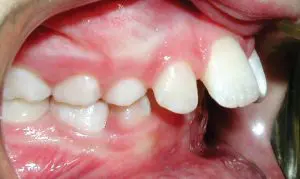
Upper Front Teeth Protrusion
When the upper teeth extend too far forward, or the lower teeth do not extend forward enough, it can affect both appearance and function. This condition may also increase the risk of injury to the front teeth.
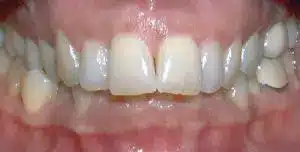
Overbite
An overbite occurs when the upper front teeth overlap the lower front teeth. In more severe cases, the lower teeth may bite into the roof of the mouth, potentially causing discomfort or uneven wear over time.
Crossbite
A crossbite happens when the upper teeth sit inside the lower teeth. This can lead to jaw misalignment, uneven tooth wear, and may affect proper jaw development if not treated.
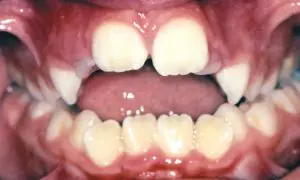
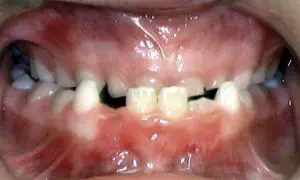
Openbite
With an open bite, the upper and lower front teeth do not overlap. This can make chewing more difficult and may contribute to speech issues or habits like tongue thrusting.
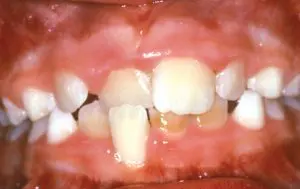
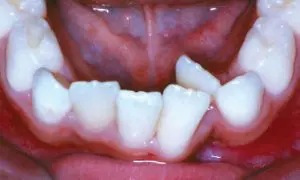
Crowding
Crowding occurs when there isn’t enough space in the mouth for teeth to align properly. This can make cleaning more difficult and increase the risk of dental problems. In many cases, orthodontic treatment can create space without the need for extractions.
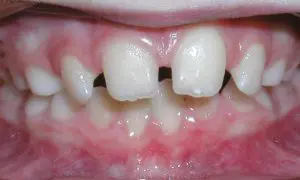
Spacing
Spacing refers to gaps between teeth, which may be caused by missing teeth or natural alignment. While often a cosmetic concern, spacing can also affect overall dental health and function.
Underbite
An underbite occurs when the lower jaw extends forward, causing the lower teeth to sit in front of the upper teeth. This condition can impact chewing, speaking, and overall jaw function.